Integrative Medicine and oncology — Dr. Sandeep Roy
Integrative Medicine:
Dr. Sandeep Roy provides Integrative medicine. IT is taught in the meaning of health. The World Health Organization describes health as “a state of complete physical, mental and social wellbeing and not merely the absence of disease or infirmity.” Integrative medicine attempts to repair and maintain health and wellness across a person’s lifespan by following the patient’s set of features and considering the full range of physical, enthusiastic, mental, social, religious and environmental impacts that harm health.

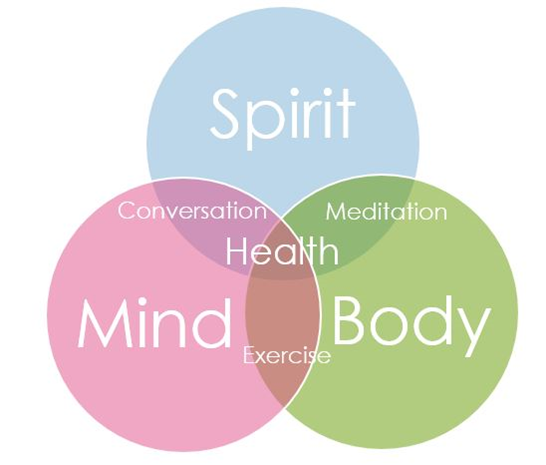
By personalizing care, integrative medicine goes beyond the treatment of signs to discuss all the problems of illness. In performing so, the patient’s important health requirements, as well as the results of the long-term and complicated interaction between biological, behavioral, psychosocial and environmental influences, are taken into the record.
Integrative medicine is not identical as alternative medicine, which leads to a suggestion to healing that is used in place of conventional therapies, or equivalent medicine, which refers to healing modalities that are used to complement allopathic methods. If the defining principles are used, care can be integrative regardless of which modalities are utilized.
The defining principles of integrative medicine are:
The patient and practitioner are allies in the healing process.
- All factors that affect health, wellness and disease are taken into concern, including body, mind, spirit, and community.
- Providers use all healing sciences to help the body’s innate healing acknowledgment.
- Useful interventions that are simple and small invasive are used whenever feasible.
- The care is personalized to best address the individual’s different conditions, requirements, and circumstances. Practitioners of integrative medicine explain its principles and do themselves to self-exploration and self-development.
- Besides the idea of therapy, the more general ideas of health improvement and the prevention of illness are paramount.
- Standard medicine is based on good science. It is inquiry-driven and open to new standards.
Integrative Oncology:


Integrative oncology is the most advanced way to approach cancer and should be on the thoughts of anyone born with a cancer diagnosis. Integrative oncology not only aids cancer treatment. It prevents recurrence, decreases side results, enhances long-term quality of life and — several importantly — allows patients to get an effective role in their health.
Perhaps the most obvious way to understand integrative oncology is to start by thinking of cancer as a weed. Most conventional cancer therapies are intended to attack the weed itself. Integrative oncology concentrates both on the “soil” surrounding the weed. By combining corresponding treatments with traditional cancer treatments, integrative oncology optimizes nutrition, anxiety levels, and physical fitness to make the body more able to fight off cancer cells.
Integrative oncology features cancer prevention in adjunct to cancer treatment. A good lifestyle that combines an anti-inflammatory diet, physical activity, and mindfulness meditation can assist prevent not just cancer, but other diseases too.
Though related in any respects, integrative oncology changes radically from choice or equivalent medicine. Integrative oncology is an evidence-based approach conducted under the control of trained cancer experts. Conventional oncology clinical work continues at its core; cancer patients can still get medications such as chemotherapy, radiation therapy and so on. But these treatments are integrated with both evidence-driven approaches to nutrition, physical wellness and managing drug interactions. The outcome is a holistic care plan that is individualized to your medical requirements.

Comments
Post a Comment